

Wow! The first time I tapped a crypto card against my phone I felt weirdly reassured. My gut said this would be clunky, but the card slid into a rhythm—quiet, simple, almost polite. I remember standing in a Brooklyn coffee shop, somethin’ in my pocket and a tiny bit of magic in my hand. That moment stuck with me because hardware wallets usually scream “serious”, and this one politely whispered.
Seriously? Yes. The idea of cold storage on a credit-card-shaped NFC device sounds too neat to be true. Most folks think “cold storage” equals a little metal vault, a seed phrase written on paper, or a device that plugs in with a cable. The tangem card flips that expectation—it’s contactless and self-contained, with crypto keys burned into tamper-evident silicon. On paper that’s neat, though actually, there’s nuance.
Hmm… Initially I thought a card would be less secure than a dedicated hardware dongle. My instinct said the smaller form factor might trade security for convenience. Actually, wait—let me rephrase that: on one hand the tangem card reduces attack surface from software because it doesn’t run an OS, though on the other hand physical loss is easier since it’s tiny. So you have trade-offs, and the right choice depends on how you manage physical custody.
Why a card wallet makes sense for many people
Check this out—cards are discreet and instantly familiar. You don’t need to learn a new gadget dance or carry a dongle and cable everywhere. They fit into existing routines, like dropping a credit card into a wallet. For people who value minimal friction (travelers, casual HODLers, gift-givers), that counts for a lot.
I’ll be honest: I’m biased toward solutions that reduce user error. Cards do that by removing seed-phrase typing and by pairing keys to physical objects. But that same convenience means you must be a little more thoughtful about backup plans. If you lose the card, recovery depends on how you set things up—custodial recovery, backup cards, or multisig strategies can help.
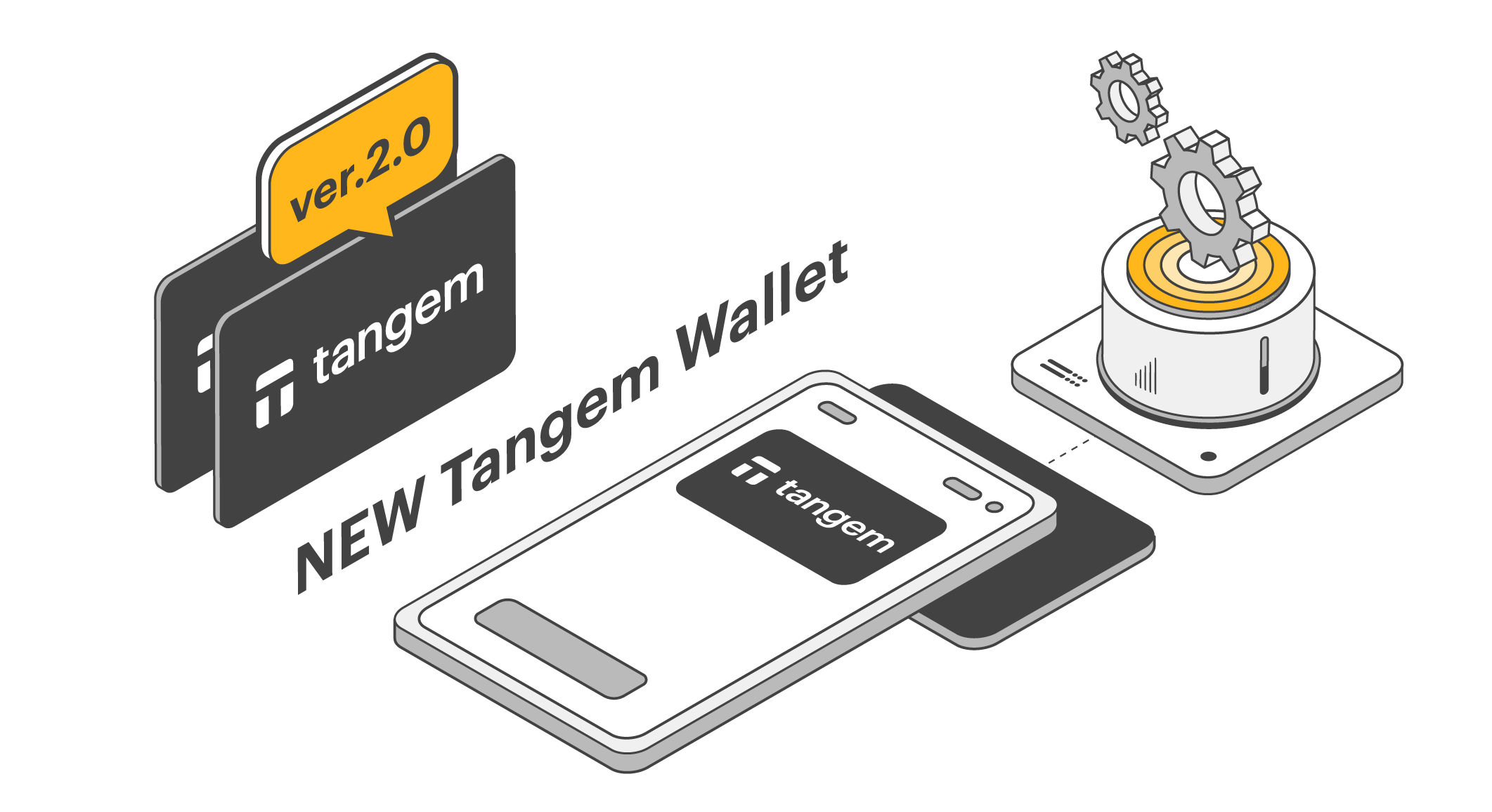
If you want a quick place to start, the tangem wallet approach is a clear option. The tangem wallet ecosystem intentionally pairs a simple app with the card, keeping user flows straightforward while relying on secure element hardware for key storage. The card doesn’t leak private keys; instead, it signs transactions when tapped and the private key never leaves the card—so that’s a strong design principle.
On a technical level, the card is effectively a tiny secure element. It stores the private key, resists tampering, and handles signing operations. That model is familiar from payment cards and mobile secure elements, but applied to crypto. It’s not rocket science, though it does require correctly designed cryptography and secure manufacturing. If those pieces are in place, you’re getting a robust foundation.
Here’s what bugs me about many wallet solutions: they assume users will do backups correctly. People write seeds on post-its and tuck them in drawers. That’s very very risky. With cards you can create multiple identical backup cards during provisioning—so you physically split risk rather than relying on a single piece of paper. Still, physical backups must be guarded like anything valuable.
One practical pattern I use (and teach others) is layering. Use a tangem-style card for everyday cold storage and combine it with an air-gapped paper seed or a multisig setup for large holdings. On one hand this adds complexity, though on the other hand it dramatically improves resilience against single points of failure. People often underestimate how quickly one mistake compounds.
Whoa! The human element matters most. You can design perfect tech but if someone leaves their backup under a keyboard, it’s pointless. So processes matter: where you store the card, who knows about it, how you transport it. I once saw a friend tape a backup card to the inside of a suitcase—clever, but still risky if that suitcase travels. Hmm… I’m not 100% certain any single method fits everyone.
Real-world security considerations
Short answer: threat model first. Are you protecting against casual theft, opportunistic attackers, or state-level actors? That question changes everything. If you’re worried about someone lifting your wallet at a festival, a hidden backup or a small PIN on the card and app might suffice. If you’re defending millions, you need multisig and distributed custody.
Be mindful of supply-chain risks. Hardware must be manufactured and shipped without tamper. Trusted distribution matters because a compromised card at production can be catastrophic. Reputable vendors publish audits and manufacturing assurances, but you should always check provenance—and if you buy a tangem-type product, buy from official channels.
Another nuance: NFC attacks are largely theoretical for card types like this because signing needs physical proximity and user intent. That doesn’t mean impossible attacks don’t exist, but for the average user the convenience of contactless signing outweighs the unlikely remote-exploit scenarios. Still, I think it’s smart to keep sensitive cards separate from your everyday wallet if you’re anxious about signals or proximity-based risks.
Also—transaction verification. With small screens you can’t always visually confirm every detail of a transaction on the card itself. That’s where the companion app must present clear details and the user must develop a habit of verifying amounts and addresses. This is simple but easy to skip when you’re in a rush, and skipping is when things go sideways.
On the topic of backups again: duplicate cards are a powerful, underused pattern. Provision two or three cards, keep them in separate secure places, and treat them like spare keys. If you do that, recovery is straightforward. But make sure provisioning itself is done in a secure environment because creating backups insecurely can replicate the vulnerability.
Common questions
Is an NFC card as secure as a traditional hardware wallet?
Shortly put: for many users, yes. The security model is different. Tangem-style cards store keys in a secure element and never expose them, which is similar to reputable hardware wallets. But some high-end hardware wallets offer bigger screens, PIN retries with wipe, and broader software ecosystems. Your threat model determines the right tool.
What happens if I lose my card?
You need a recovery plan. If you’ve minted backup cards you’re fine. If you used a seed phrase outside the card, use that. If neither exists, recovery may be impossible. That’s why multiple backups or multisig setups are recommended for higher balances.
Can someone read my crypto by scanning the card?
No. The card doesn’t broadcast private keys. It performs signing inside the secure element and only returns a signature. Public addresses can be derived, but that doesn’t give an attacker spending power. Still, be cautious about public exposure of addresses if privacy is a concern.
Okay, so check this out—if you want practical next steps: buy from an official channel, provision at home offline if possible, create multiple backups, and practice a recovery drill with a small amount before moving larger funds. I’m biased toward redundancy, and that bias saved me once when two friends’ backups failed (long story, but it was a teachable scar). Be deliberate; the tech is forgiving only when you are careful.
There are trade-offs in every direction. Cards hand you convenience and an intuitive form factor, though they demand new habits around physical custody. In my experience the convenience nudges good behavior for many people—less copying of seeds, fewer risky software interactions—but you still need to own your procedures. Keep them simple, repeatable, and checked.
Finally, wonder and caution can coexist. I’m excited about what card wallets enable; they lower barriers and make cold storage approachable. Yet I’m also cautious, because real security is a chain of small, consistent choices, and a single weak link can undo everything. So I tap my card, breathe, and plan ahead…